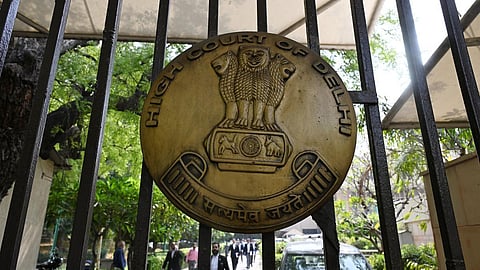

ON JULY 7, the Delhi High Court granted regular bail to B. Mohanraj, a man who had spent nearly five years in custody without his trial even beginning. Mohanraj, described by the prosecution as the legal aide of an organised crime syndicate led by Sukesh Chandra Shekhar, had been arrested in September 2021 in connection with an extortion racket that allegedly impersonated senior government officials. He was booked under provisions of the Indian Penal Code, 1860, the Information Technology Act, 2000, and the stringent Maharashtra Control of Organised Crime Act, 1999 (‘MCOCA’).
Justice Jalan’s order granting bail furthers a live, unresolved dispute within the Supreme Court itself over whether Article 21’s guarantee of a speedy trial can override the statutory bail restrictions built into laws like MCOCA.
