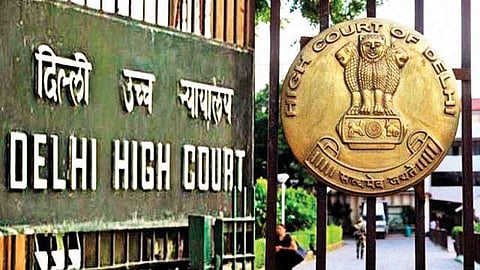

IN a significant jolt to the principles of natural justice, including the presumption of innocence and fair trial, the Delhi High Court has stayed an Order that had refused to grant a mechanical extension of custody of the accused on national security grounds.
Acting with the speed of light, a division Bench of Justices Rekha Palli and Saurabh Banerjee passed the stay Order on November 19 in the absence of the accused persons and their lawyers.
The Bench also allowed the Delhi police to complete the investigation and ordered that the detention of the accused persons be extended until the next hearing, which is on November 26.
The Bench was hearing an urgent appeal filed by the Delhi police under the National Investigation Agency (NIA) Act, 2008, challenging an Order passed by the additional sessions judge, Dr Hardeep Kaur, rejecting the report of the prosecution seeking an extension of time to conclude the investigation in a case of an alleged “Al-Qaeda-inspired terror module”.
The Order of the additional sessions judge would have paved the way for the accused persons to get default bail had it not been stayed by the high court.
