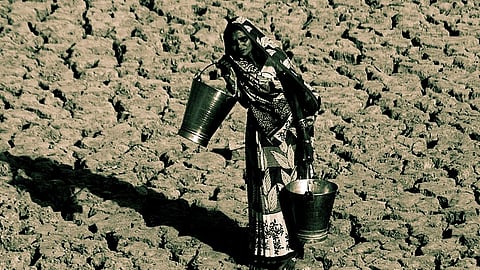

IN JUNE 2025, as Delhi's temperatures edged past 45°C, construction work continued uninterrupted across the city's skyline. Daily-wage labourers, street vendors, and sanitation workers braved the scorching sun with little choice, their livelihoods tethered to exposure. The National Disaster Management Authority (‘NDMA’) had issued a significant advisory calling for the integration of informal workers into Heat Action Plans (‘HAPs’), acknowledging their vulnerability to extreme heat. While this is a step forward, it also exposes a deeper truth: heatwaves are not merely a meteorological crisis but a crisis of political economy.
India has experienced a sharp rise in heatwave days in recent years, with 2024 marking one of the most severe summers on record. In a historic anomaly, the Indian Meteorological Department (‘IMD’) recorded heatwave conditions as early as February 2025, with states like Goa and Maharashtra experiencing temperatures far above seasonal norms.
Yet the impact of such climate extremes is far from being evenly distributed. Over 90 percent of India’s workforce is employed in the informal sector, and a large share of these workers operate outdoors: in construction, delivery, sanitation, and vending without access to climate-controlled environments or mandated rest breaks. According to the International Labour Organization (‘ILO’), India lost approximately 259 billion labour hours annually between 2001 and 2020 due to extreme heat and humidity. By 2030, India is expected to lose nearly 6 percent of its total annual working hours due to extreme heat, which could translate into more than 34 million full-time job losses.
